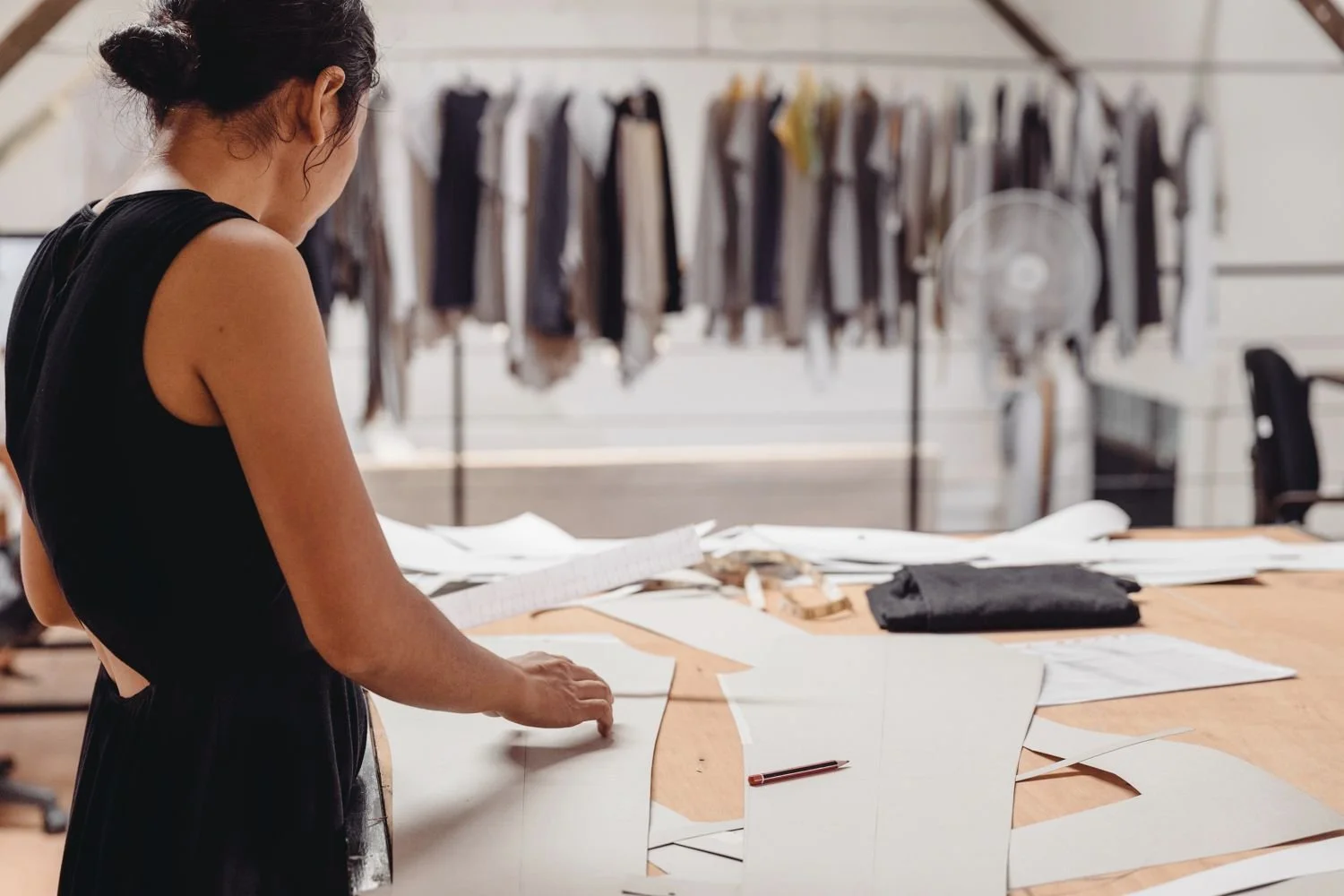
Dorsu is a Cambodia-based, Cambodian-owned clothing brand and manufacturer dedicated to creating high-quality, responsibly made apparel. We use deadstock fabric (surplus material discarded by larger fashion companies) to design and produce timeless garments that reduce waste and extend the life cycle of existing textiles.
New Frontiers
Beyond our products, Dorsu represents a movement toward fair employment, ethical manufacturing, and local ownership in an industry where most factories are foreign-run. Our team is over 90% female, and we are proud to be locally-owned, combining social impact with environmental responsibility in every stage of our work.
Our business model is intentionally designed to be sustainable, both environmentally and socially.
Sustainability Redefined
Environmentally, we operate on a circular model by repurposing deadstock fabric, minimizing textile waste, and producing in small batches to avoid overproduction.
Socially, we invest in fair wages, safe working conditions, and professional development for our employees, most of whom are women from the local community.
Economically, we balance ethical production with commercial viability by selling directly to consumers and offering B2B manufacturing services to like-minded organizations.
What People Are Saying
“I really love Dorsu for their high-quality fabric and timeless designs. Highly recommend if you are looking for ethical and meaningful fashion, all beautifully made in Cambodia”
— Claire Oum
“Such an inspiring and intriguing story to hear from the sales team.”
— Mei Kao
“My go-to for amazing quality tops and basics that are made locally and sustainably. Plus they've got a super cool team who's always ready help you find a good fit.”
— Sofia Perez
“Elevated, timeless and durable basic wears for every bodies. Love the ethical and sustainable approaches to slow fashion, excellent craftsmanship and care for community.”
— Penhleak Chan
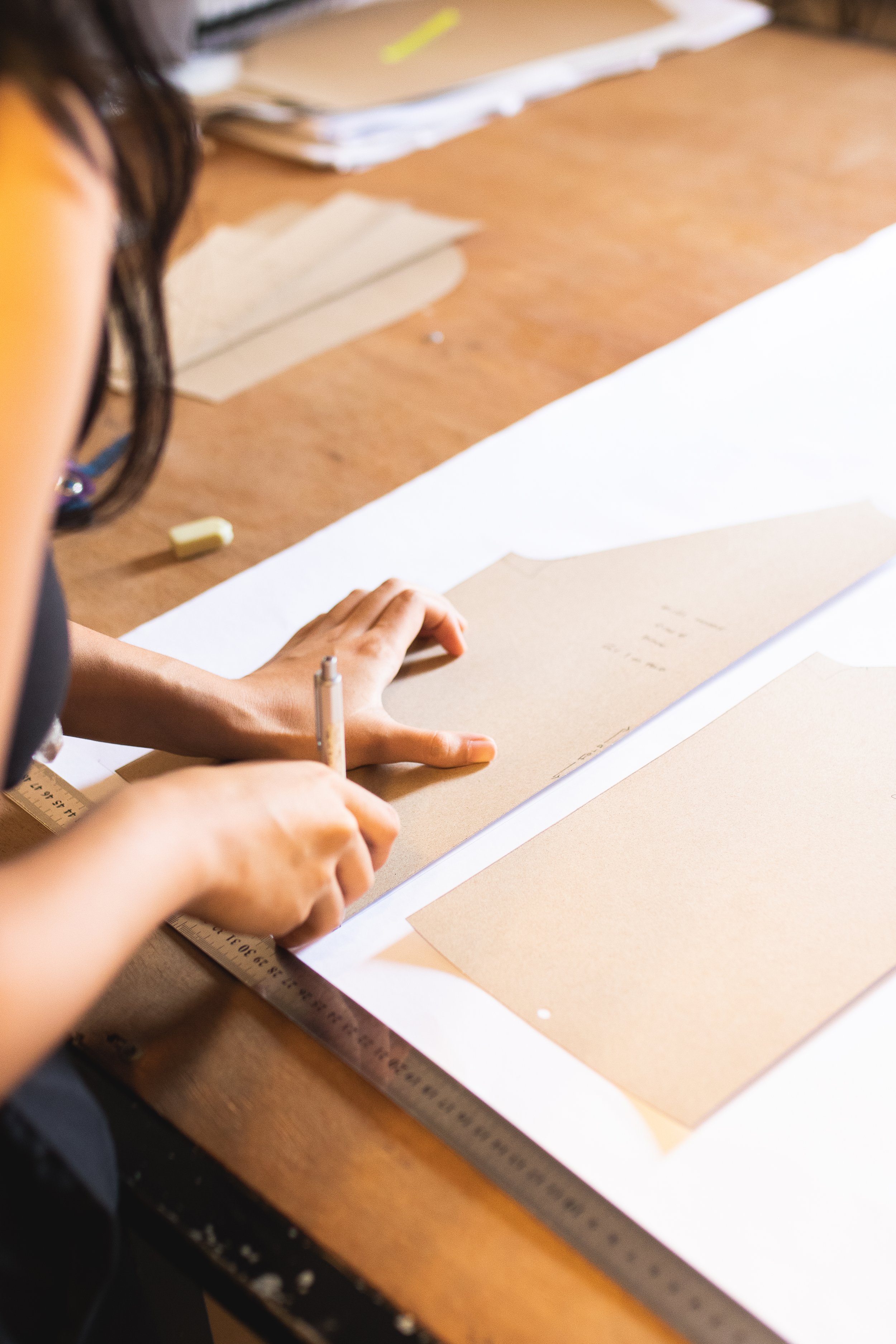
“It’s about listening to the people who actually make the clothes.”
The next big shift is a mindset shift, from self-contained, competitive thinking toward collective problem-solving. We need a focus on solutions and shared responsibility, rather than short-term gains or isolated efforts. There’s no “inside” or “outside” of the sustainable fashion community anymore; the whole industry needs to evolve together to serve people and planet.
The Next Big Shift
Within the fashion industry, is a circular economy realistic?
Not by itself. A truly circular economy will only be achievable if the fashion industry collaborates with other sectors—like agriculture, education, engineering, and technology—to approach problems holistically. We see “circular economy” as an ideal to strive toward, not a finish line to be perfected. When the term is used thoughtfully and strategically, it can inspire innovation. But when it’s treated as a checklist or a marketing cliché, it risks setting us up for disappointment instead of progress.
FAQs
-
At Dorsu, our fabrics and processes tell a unique story. Not of standard production, but of resourcefulness. We work with deadstock fabric (surplus materials left behind by larger brands and factories) extending the life cycle of these materials instead of letting them go to waste.
-
Every garment we make begins with something that already exists. By using quality materials that might otherwise be burned, buried, or forgotten, we reduce the demand for new textile production, one of fashion’s most resource-intensive processes. This means less water use, less energy, and fewer emissions tied to raw material extraction
-
All of our clothing is designed and made in Cambodia by a local team. In a country where the vast majority of garment factories are foreign-owned, Dorsu’s Cambodian ownership ensures that profits, skills, and opportunities stay in the community. Local production also means shorter supply chains and smaller transport footprints, practical climate wins alongside meaningful economic ones.
-
Using deadstock doesn’t solve fashion’s global waste problem, but it does significantly challenge it. We’re part of a growing movement showing that circularity can work at the ground level, in places that are too often treated as the end of the supply chain.
-
Our approach does three things:
Intercepts waste from large-scale production.
Avoids the need for new materials.
Demonstrates a fairer, lower-impact manufacturing model.
-
While Dorsu’s footprint is modest compared to global fashion, our impact lies in what we prove possible: that a manufacturing brand in the Global South can be climate-conscious, community-driven, and commercially viable. Each collection is both a product and a statement: that sustainability and local ownership can coexist in an industry built on excess.
Our partners